
"New Wild"
3000 article(s) found

New product Harald of Ethiopia
New beans! New beans! We who love coffee, every time the arrival of new beans is like welcoming distinguished guests from afar! And coffee beans really don't let us down! This time the Harald old friend becomes the new friend, the king returns, the majestic spirit is better than that year! For Harald, coffee lovers are naturally no stranger to the perfect mellowness, and the sweetness of chocolate is naturally mixed with the aroma of cedar, full of tension.
Raw beans, a new product of coffee-- Harald, Ethiopia
New beans! New beans! We who love coffee, every time the arrival of new beans is like welcoming distinguished guests from afar! And coffee beans really don't let us down! This time the Harald old friend becomes the new friend, the king returns, the majestic spirit is better than that year! For Harald, coffee lovers are naturally no stranger to the perfect mellowness, and the sweetness of chocolate is naturally mixed with the aroma of cedar, full of tension.

Halfway house-wild meow halfway coffee helps 200 stray cats find a home
Kusi, the manager of Wild Meow Coffee, not only takes care of guests, but also takes care of kittens. (photo by Chi Yarong) halfway House Wild Meow Coffee helps 200 stray cats find a wild meow halfway coffee shop with photos of adopters and cats on the wall, which is the motivation for the team to continue to operate. (photo by Chi Yarong) Editor's note: people from all walks of life pay more and more attention to stray animals, not only the public sector promotes zero.

Introduction to Tanzanian coffee beans with a soft, mellow, earthy flavor around the mouth
Generally speaking, Tanzanian coffee has crisp properties, exudes delicate aromas, and contains wine and fruit aromas, endless flavor. Locally, it is similar to Kenyan coffee, but overall, it is closer to Sumatra Lloyd's coffee. After drinking Tanzanian coffee, you will feel a soft and mellow smell of earth around your mouth. Coffee cuisine is often used in the wild or wild.

The secret behind the world's most expensive coffee
In the earliest days, civet droppings were collected from the wild and mixed with partially digested coffee beans. Gradually, more and more civets were confined to crowded, unsanitary cages on coffee plantations. Photograph: ULET IFANSASTI, GETTY IMAGES Wildlife Conservation Research Centre, University of Oxford and World Conservation Society, a London-based non-profit organisation

Introduction to the production area of Jima, Ethiopia: the flavor characteristics of coffee beans in Jiafa Forest Solar Masuo Cooperative
Professional coffee knowledge exchange more coffee bean information please follow the coffee workshop (Wechat official account cafe_style) this time we chose a tanning Maso from the new season Ethiopian coffee, from a small farmers' cooperative in Jima region, more than 300 farmers from nearby villages and tribes, we all speak different dialects, have different religious beliefs, living habits
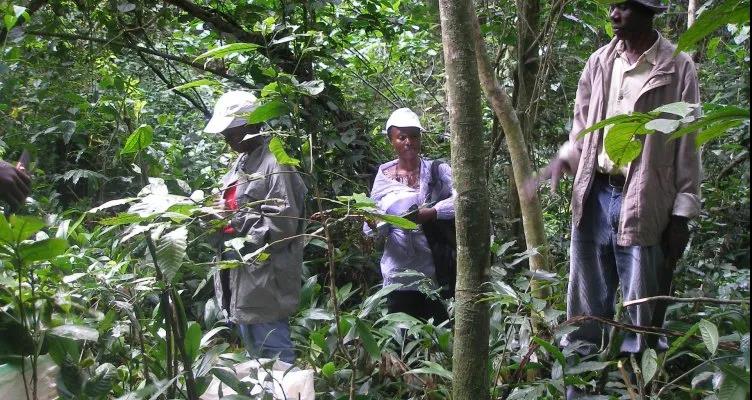
Drought-resistant wild Robsta has been found in Uganda, which is of great help to the cultivation of drought-tolerant coffee varieties.
For more information on coffee beans, please follow the Coffee Workshop (Wechat official account cafe_style) recently coffee variety researchers in Uganda, the Netherlands and France have discovered a previously unknown wild robusta coffee population with potential drought resistance in Uganda's endangered forests. This discovery will help to cultivate drought-resistant coffee varieties and coffee industry in the future.

Ethiopia Rosa Village Manor # 1 the unique flavor of wild Rosa describes where Rosa Village is.
For professional baristas, please follow the coffee workshop (Wechat official account cafe_style) Product name: Rosa Village Horticultural Geisha # 1 Gesha Village Geisha#1 country: Ethiopia Ethiopia production area: Rosa Gesha Grade: Grade 1 treatment method: tanning method Natural Process breed: wild geisha Wild Geisha altitude: 1900-2100 m

The wild taste of Ethiopia Xiachisuo coffee production area planting market environment brief introduction
Washed Yerga Sherfi is one of the world's finest high quality coffee, with soft acidity and rich body. Top and Bebeka coffee, low in acidity but high in body, is an indispensable member of blended coffee. Ethiopian washed coffee Yirgacheffe G1 G2 Sidamo. The highest grades are Grade II and Grade III (G2, G3). Sun-processed in eastern Ethiopia.

Ethiopian coffee trees originated in Ethiopia
The Ethiopian coffee tree originated in Ethiopia (Ethiopia). It was originally a wild plant here, and the name coffee comes from the Ethiopian town of Kaffa. Humans may have known how to grow coffee trees as early as the 9th century. Coffee producing area in Ethiopia: many coffee trees in Ethiopia are still wild plants, the coffee that grows on this coffee tree.

Is Papua New Guinea coffee famous? Papua New Guinea coffee bean flavor
For more information about coffee beans, please follow the Coffee Workshop (Wechat official account cafe_style) the mountains of crows the Eastern Highlands Province of Papua New Guinea is a wild and rugged place and some of the best coffee growing places in Papua New Guinea. The area of these coffee farms is generally between 1800 and 2200 meters (the two tallest in the area

Global coffee production Ethiopia coffee production
The coffee tree originated in Ethiopia, where it was originally a wild plant, and the name coffee comes from the Ethiopian town of Kaffa. Humans probably knew how to cultivate coffee trees as early as the 9th century. Ethiopia's coffee growing area: Ethiopia's many coffee trees are still wild plants, this coffee tree grows coffee particles full

Kopi Luwak denied Certification: the Dark Secret of the World's most expensive Coffee
Professional barista communication Please pay attention to the coffee workshop (Wechat official account cafe_style) the raw material of civet coffee is coffee beans collected from civets' feces, but this is not good for civets. Captive civets sometimes only eat coffee fruits, but they also eat fruits, insects and reptiles in the wild. PHOTOGRAPH BY ULET
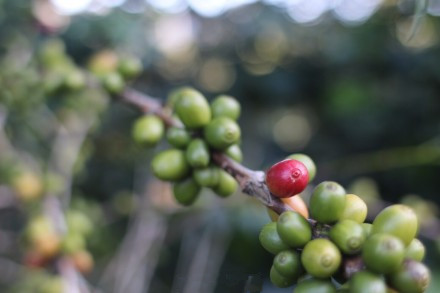
Ethiopian coffee the characteristics of Ethiopian coffee
The coffee tree originated in Ethiopia, which was originally a wild plant here, and the name coffee comes from the Ethiopian town of Kaffa. Humans may have known how to grow coffee trees as early as the 9th century. Coffee producing area in Ethiopia: many coffee trees in Ethiopia are still wild plants, and the coffee grown on this coffee tree is full of grains.
Boutique coffee common sense Ethiopian coffee
The coffee tree originated in Ethiopia, which was originally a wild plant here, and the name coffee comes from the Ethiopian town of Kaffa. Humans may have known how to grow coffee trees as early as the 9th century. Coffee producing area in Ethiopia: many coffee trees in Ethiopia are still wild plants, and the coffee grown on this coffee tree is full of grains.

Papua New Guinea Coffee flavor Papua New Guinea Coffee Story
Professional Coffee knowledge Exchange more information on coffee beans Please follow the coffee workshop (Wechat official account cafe_style) Coffee in Papua New Guinea is a cup of coffee full of wild, just like the island itself. These coffees have a bright and subtle malic acidity, which distinguishes them from other Sumatran and Sulawesi varieties of Southeast Asian archipelago coffee. You
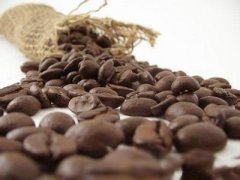
Ethiopian coffee producing area Ethiopian coffee elegant demeanor Ethiopian coffee special
The coffee tree originated in Ethiopia, which was originally a wild plant here, and the name coffee comes from the Ethiopian town of Kaffa. Humans may have known how to grow coffee trees as early as the 9th century. Coffee producing area in Ethiopia: many coffee trees in Ethiopia are still wild plants, and the coffee grown on this coffee tree is full of grains.

Coffee producing area in Ethiopia details Ethiopian coffee
The coffee tree originated in Ethiopia, which was originally a wild plant here, and the name coffee comes from the Ethiopian town of Kaffa. Humans may have known how to grow coffee trees as early as the 9th century. Coffee producing area in Ethiopia: many coffee trees in Ethiopia are still wild plants, and the coffee grown on this coffee tree is full of grains.

Global Coffee producing area-Ethiopian Coffee Market
The coffee tree originated in Ethiopia, which was originally a wild plant here, and the name coffee comes from the Ethiopian town of Kaffa. Humans may have known how to grow coffee trees as early as the 9th century. Coffee producing area in Ethiopia: many coffee trees in Ethiopia are still wild plants, and the coffee grown on this coffee tree is full of grains.
Brazil Hilado Rainforest Certified Golden Bean New World Coffee
Brazil Hilado cerrade rainforest certified gold beans New World coffee beans roasted, listened to the advice of raw bean merchants, and immediately turned off the beans at the sound of the second explosion. Grinded into coffee powder, Brazil's crrrade Hilado rainforest certified Golden Bean New World Coffee smells a little wild, reminiscent of the yellow land of Brazil on Earth. Use